Discover Australia – a land of opportunity, diversity and quality of life

Australia is one of the most developed countries in the world, known for its natural beauty, multicultural society, stable economy and high standard of living.

Located in the southern hemisphere, Australia is the sixth largest country in the world and the only country that occupies an entire continent.

With a population of approx 28 million inhabitants, Australia is a modern society that attracts people from around the world for work, education, family reunion and better opportunities. According to the Australian Bureau of Statistics, its population was 27.9 million in March 2026.
Australia’s history begins long before the arrival of European settlers.

Australia’s Indigenous Peoples, Aboriginal and Torres Strait Islander peoples, have a cultural heritage that stretches back more than 60,000 years, representing one of the oldest living cultures in the world.

1606 saw the first documented European arrivals on the Australian continent, while British colonization began in 1788 with the founding of the colony of New South Wales.

On 1 January 1901, the six British colonies federated to form the Commonwealth of Australia, laying the foundations of the modern nation.

Today, Australia is a federal parliamentary democracy and constitutional monarchy, with a stable political and legal system.

Australia consists of six federal states and two principal self-governing territories.

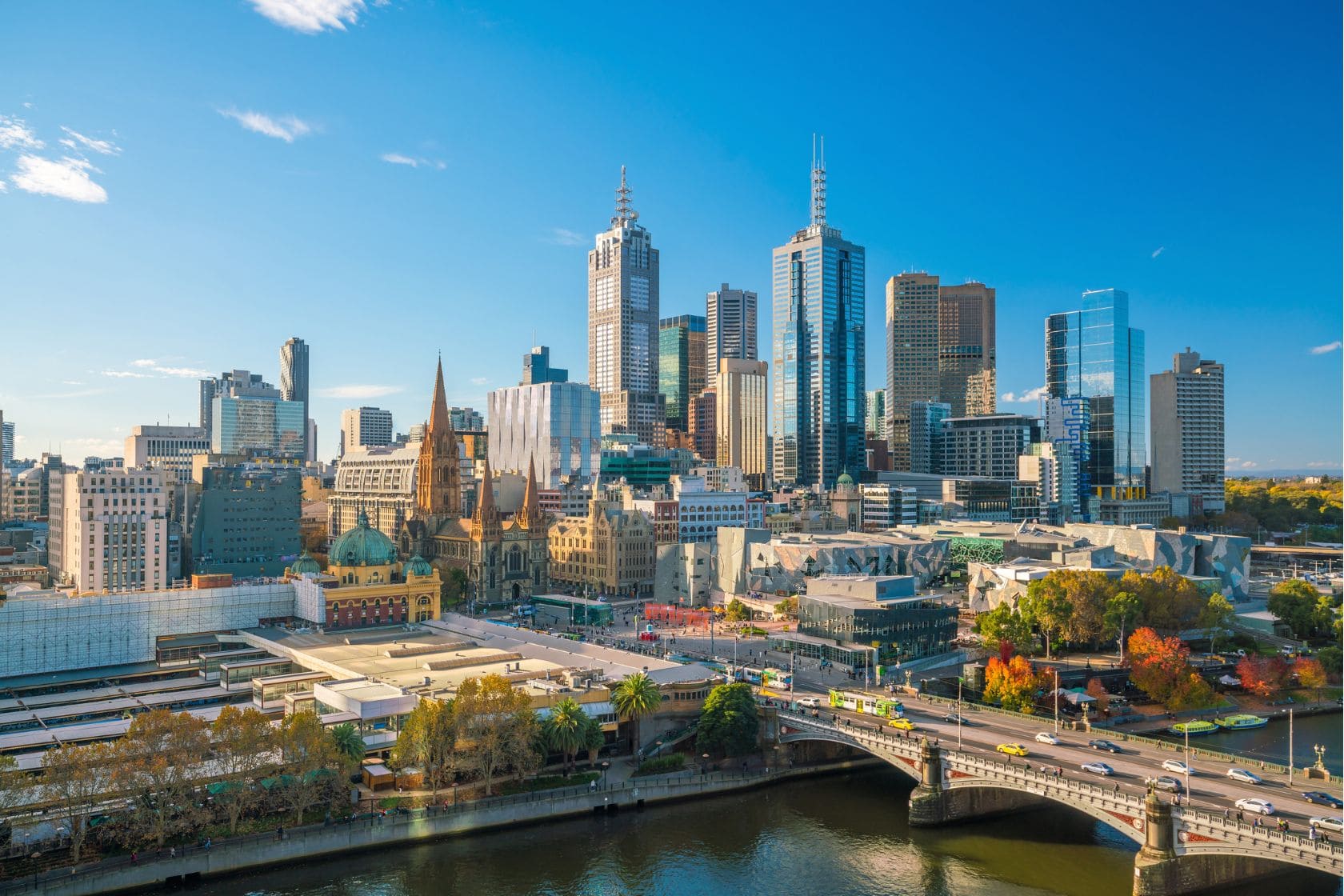
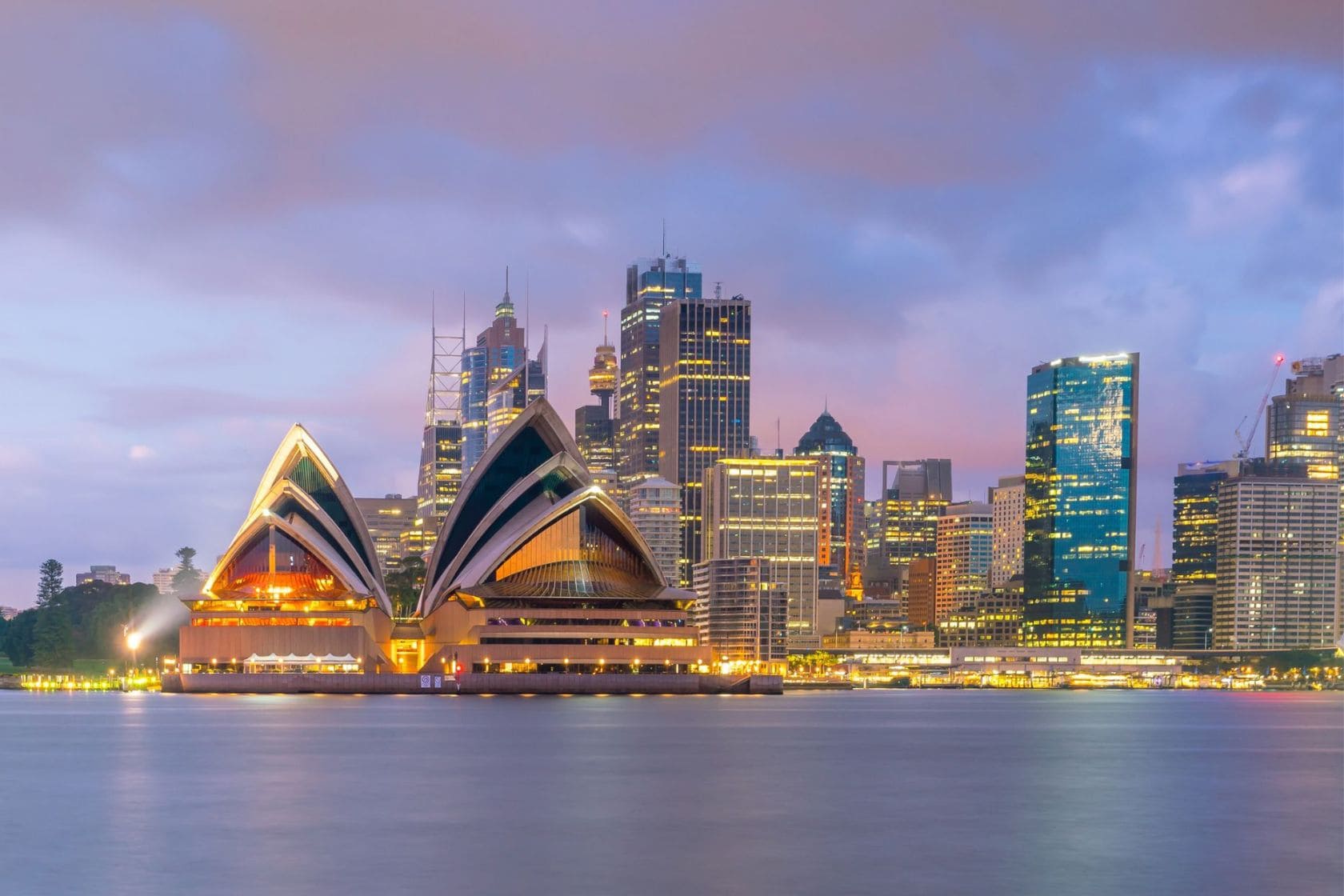
The capital is Canberra, while the most famous and largest urban centres are Sydney, Melbourne, Brisbane, Perth and Adelaide.

Each Australian state and territory has its own natural, economic and cultural characteristics.

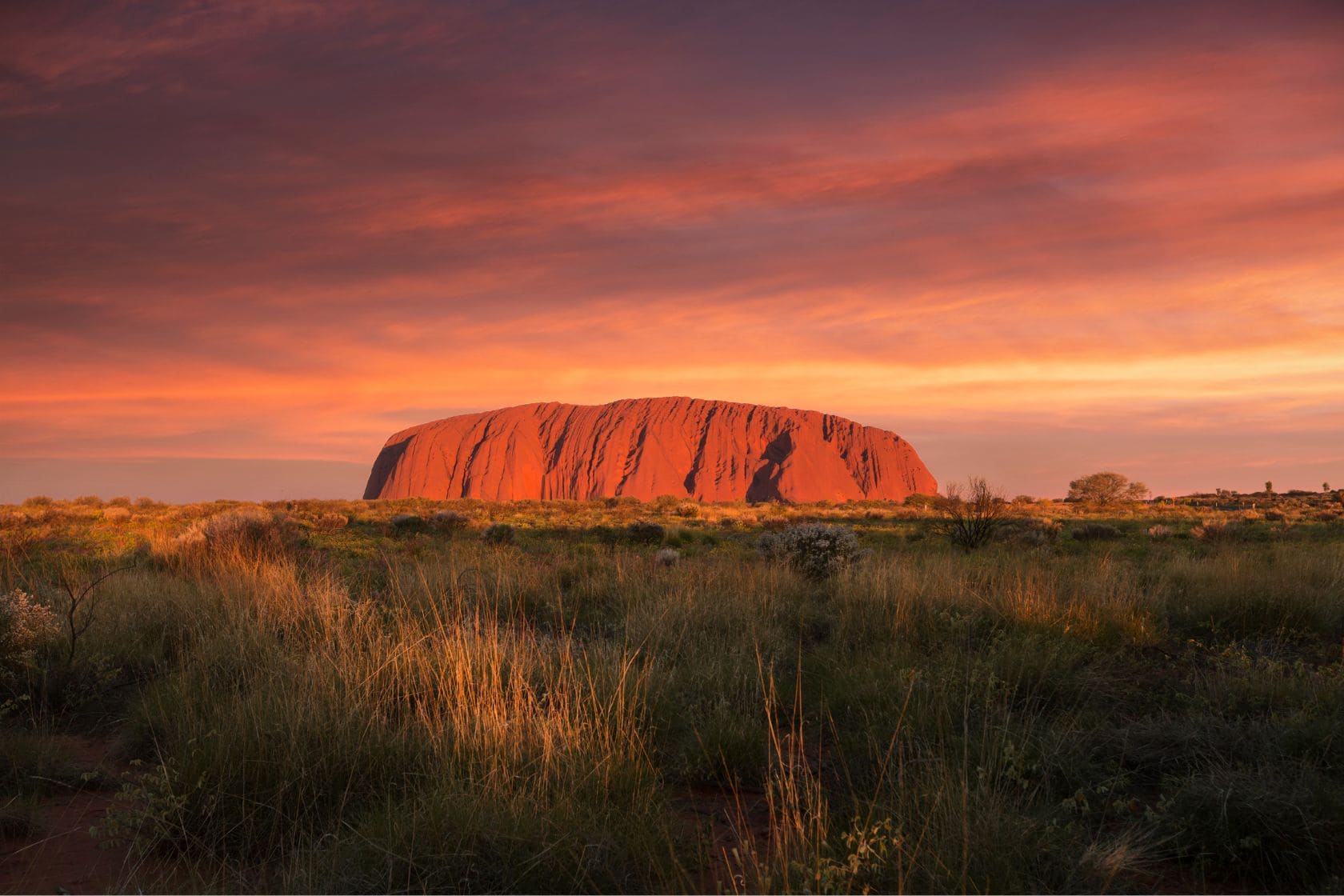
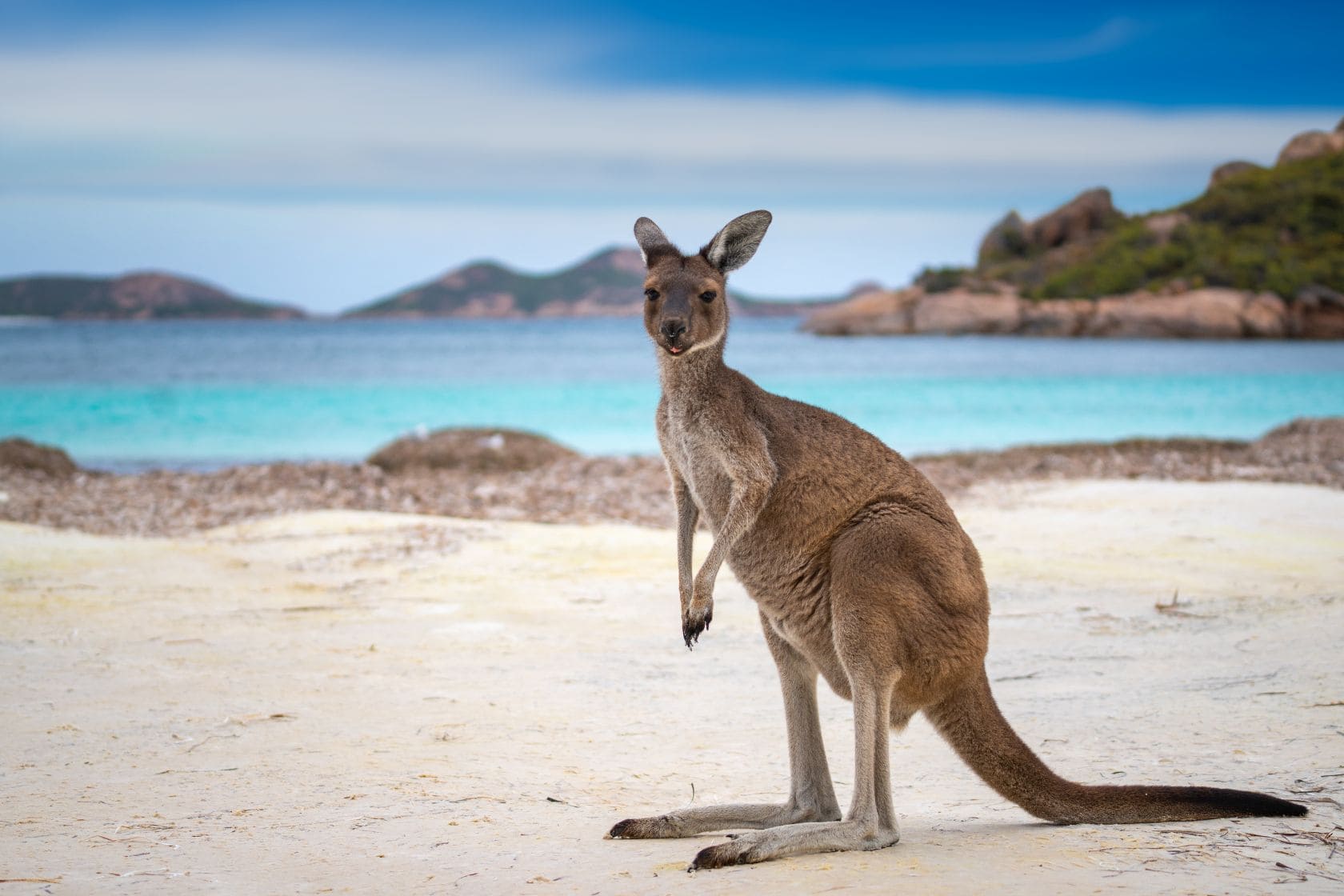
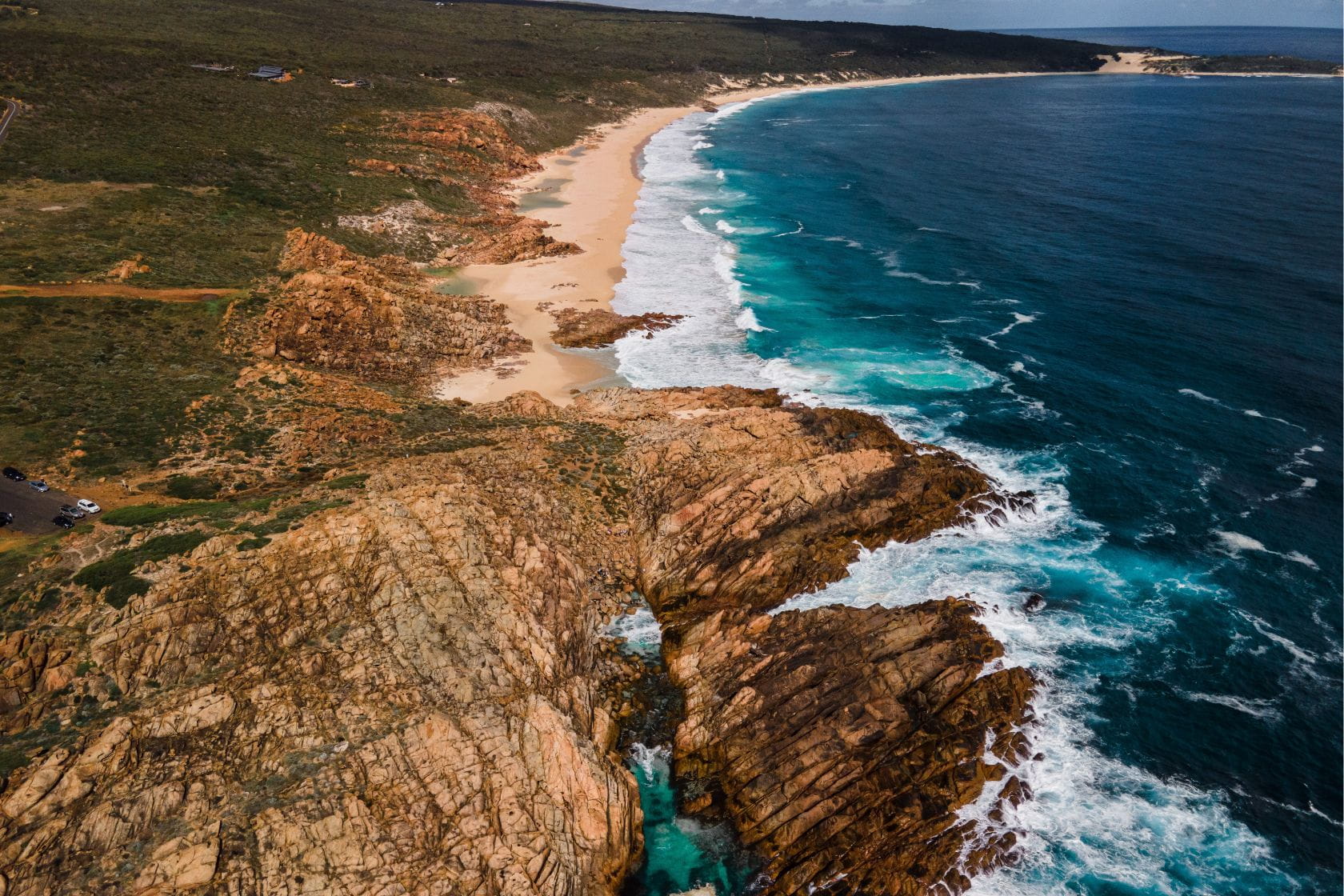
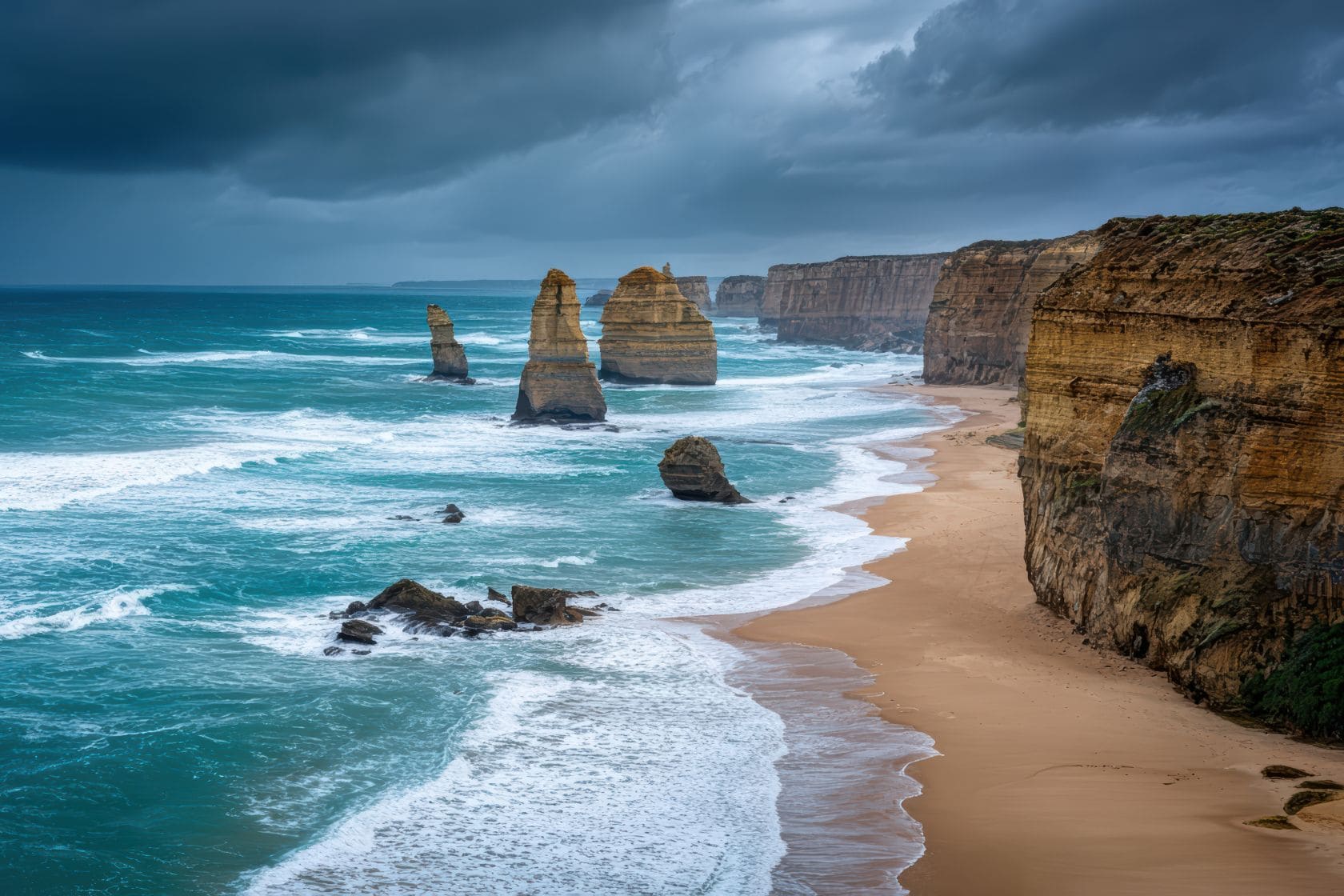
Australia is known for its beautiful beaches, national parks, tropical landscapes, deserts and unique wildlife.

The climate varies considerably between regions, from tropical areas in the north to temperate climates in the southern parts of the continent.

Australia is one of the most multicultural countries in the world.

According to official data for 2025, approx 32% of the population was born outside Australia, which reflects the important role of migration in the development of the country.

People of different nationalities, cultures and language communities live in Australia, including large numbers of immigrants from Europe, Asia and other parts of the world.

The multicultural character of Australian society enables the preservation of cultural traditions and the development of communities that contribute to the economic and social life of the country.

Australia has a developed and diversified economy, with significant industries in mining, construction, health, education, information technology, agriculture, tourism and financial services.

The need for skilled labour in certain occupations and regions creates opportunities for overseas workers who meet Australia’s immigration requirements.

The Australian immigration system provides for various categories of skilled visas, including independent skilled migration, state nomination and sponsorship by Australian employers.

Opportunities for employment and obtaining a suitable visa depend on the candidate’s profession, qualifications, work experience and individual circumstances.

Australia is an internationally recognised education destination and attracts students from different parts of the world.

Australian universities, colleges and other educational institutions offer a wide range of programmes, from English courses and vocational education to undergraduate, masters and doctoral degrees.

The educational system is aimed at acquiring theoretical knowledge, practical skills and developing independent and critical thinking.

For international students, education in Australia is an opportunity to gain internationally recognised qualifications and professional development.

Depending on the completed studies and the fulfilment of the relevant immigration conditions, certain students may have opportunities for further residence and professional development in Australia.

Australia is known for its high standard of living, developed infrastructure, health services, education system and numerous opportunities for recreation and outdoor activities.

The Australian way of life is often associated with sport, nature, beaches and activities with family and friends.

Major cities offer modern infrastructure, diverse cultural activities and many career opportunities, while regional areas can offer a different lifestyle.

However, the cost of living, accommodation and daily necessities varies significantly by city and region.

Australia offers a variety of immigration options for people who want to live in the country temporarily or permanently.

Depending on your personal and professional circumstances, you can consider visas for work, study, partnership, family reunion or skilled migration.

Each visa category has specific conditions, criteria and procedures that must be met.

Therefore, before you start planning your move, it is important to get accurate information and a professional assessment of your options.

PHOTO GALLERY

View our photo gallery

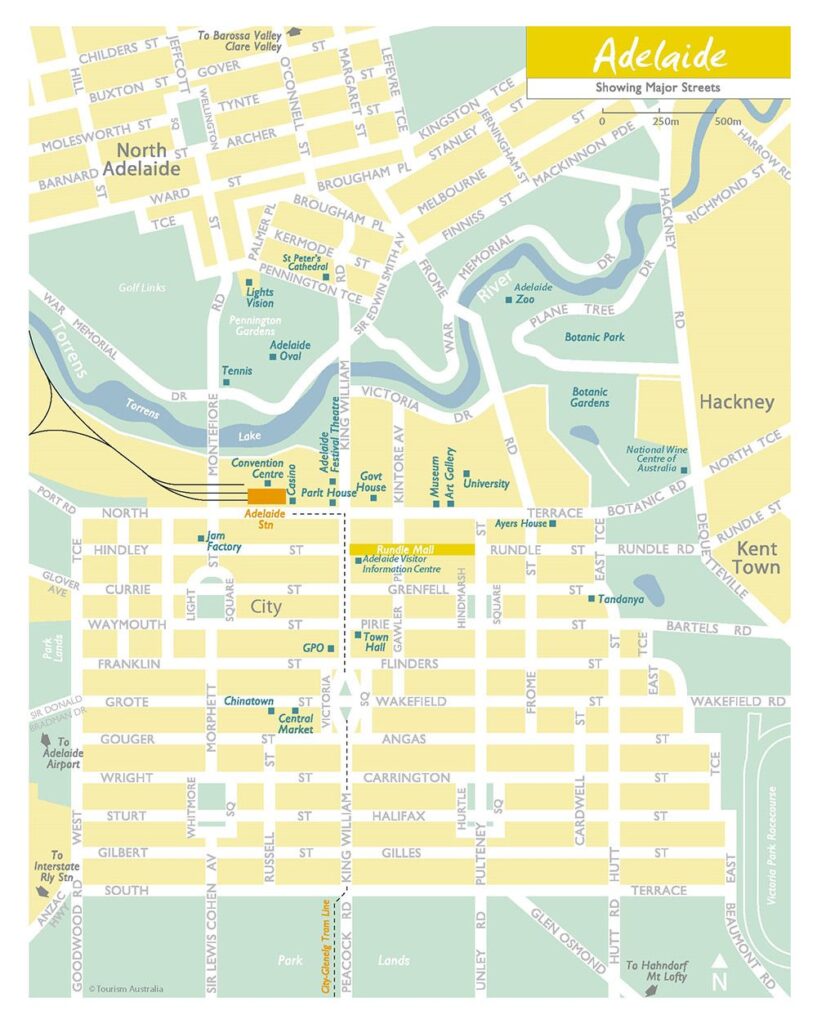
Map of Adelaide

Adelaide_street_map_2014_new

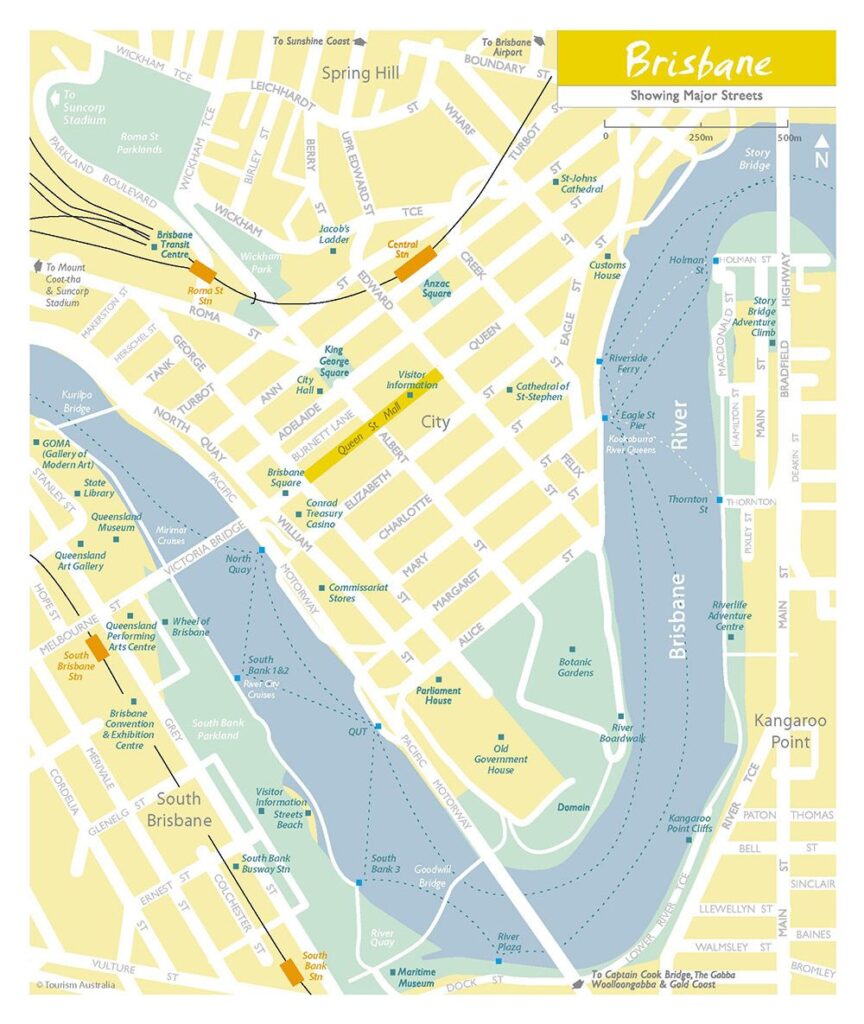
Map of Brisbane

Brisbane_street_map_2014_New

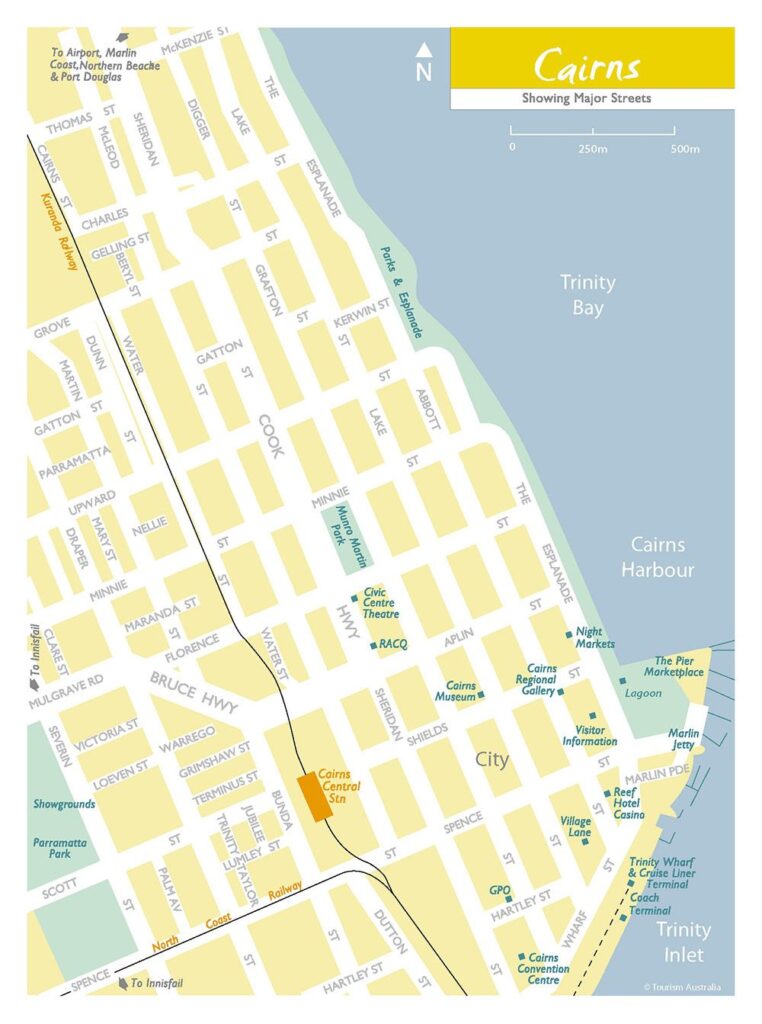
Map of Cairns

Cairns_street_map_2014_new

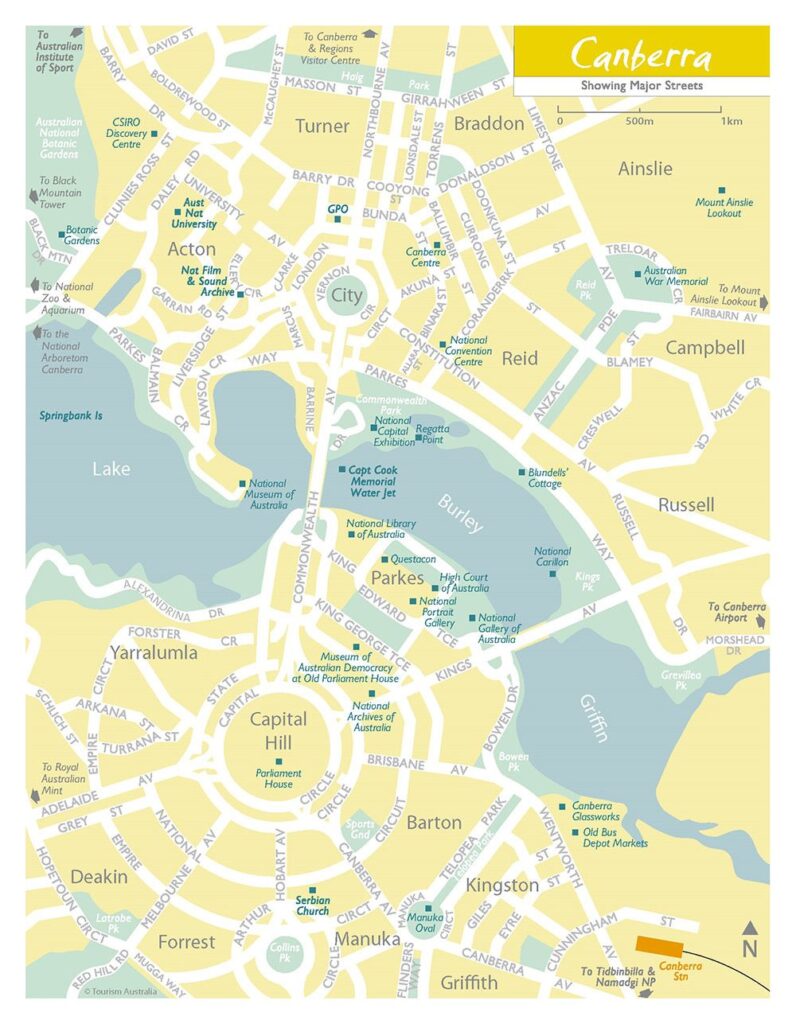
Map of Canberra

Canberra_street_map_2014_New

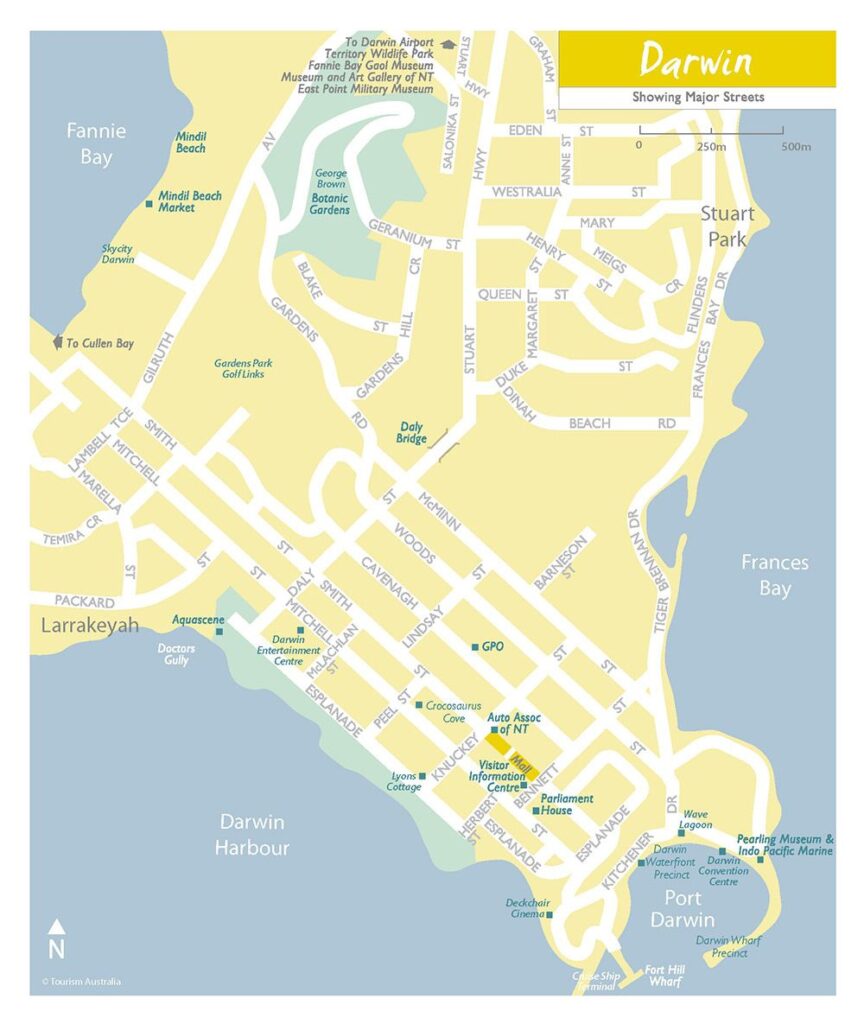
Map of Darwin

Darwin_street_map_2014_New

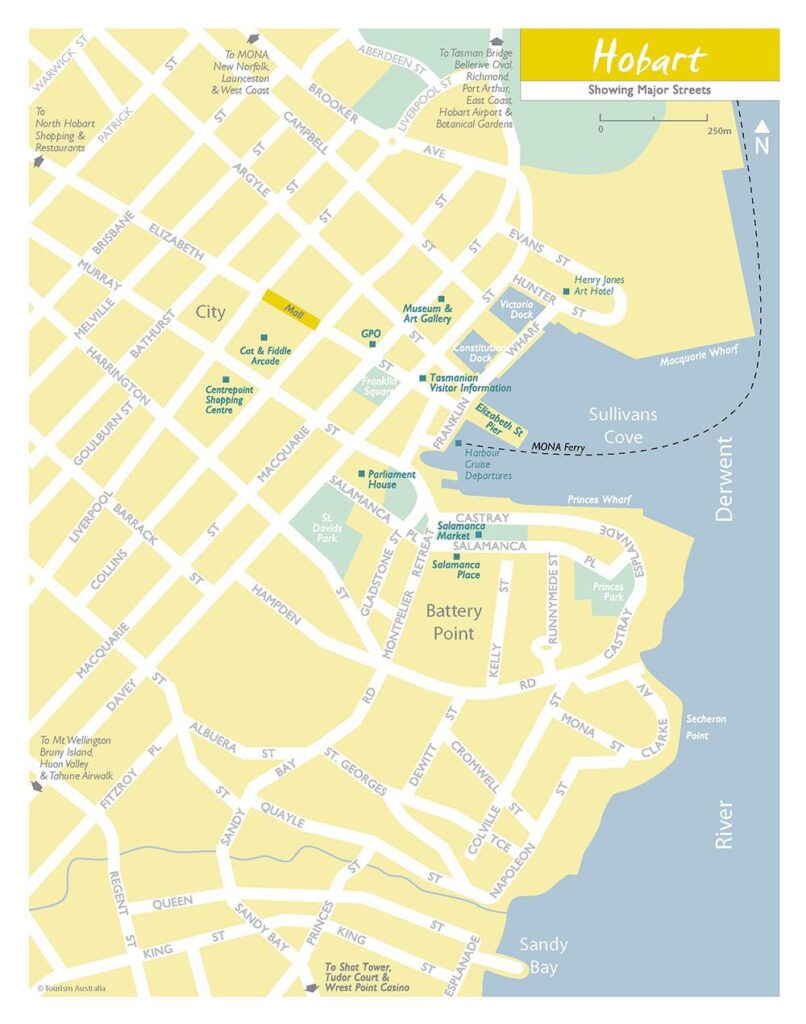
Map of Hobart

Hobart_street_map_2014_New

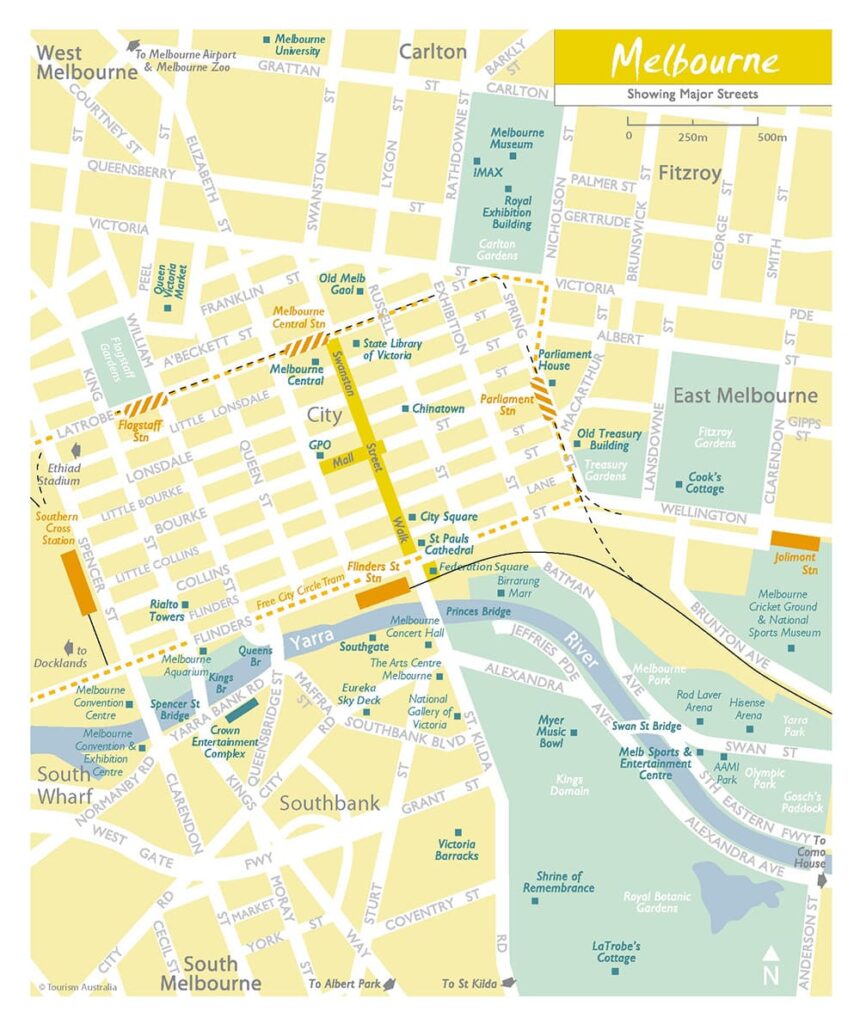
Map of Melbourne

Melbourne_street_map_2014_New

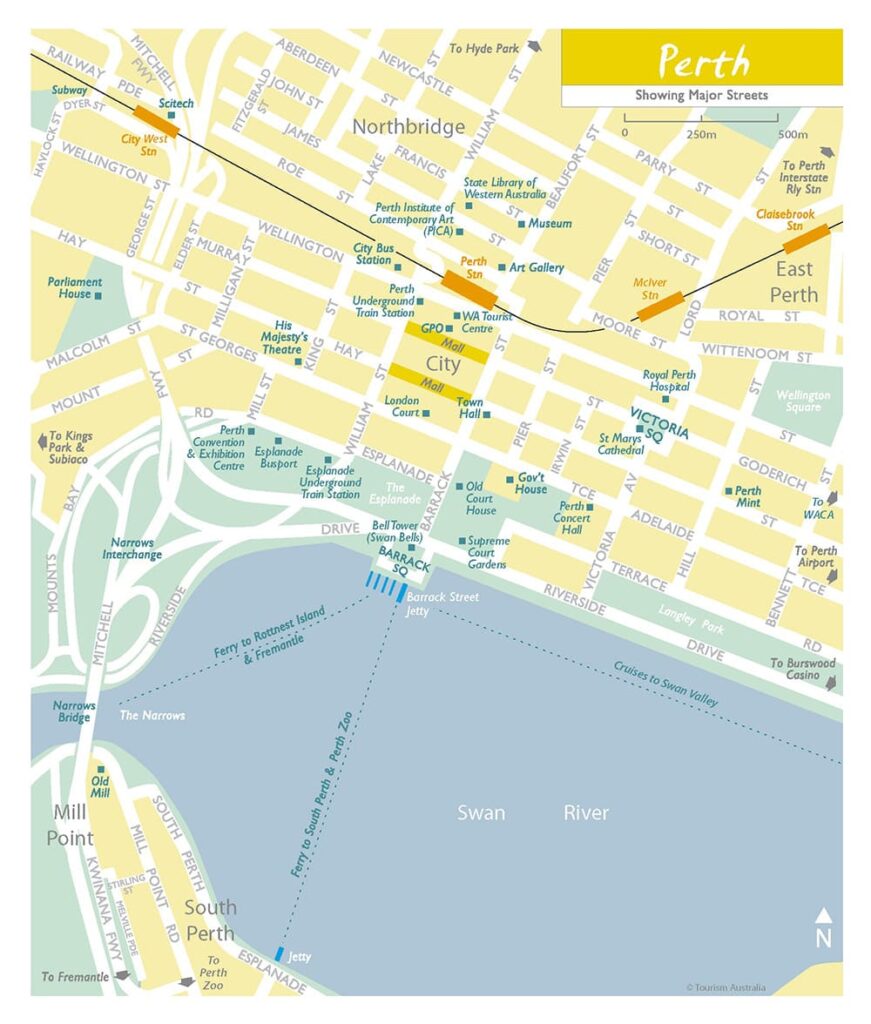
Map of Perth

Perth_street_map_2014_New

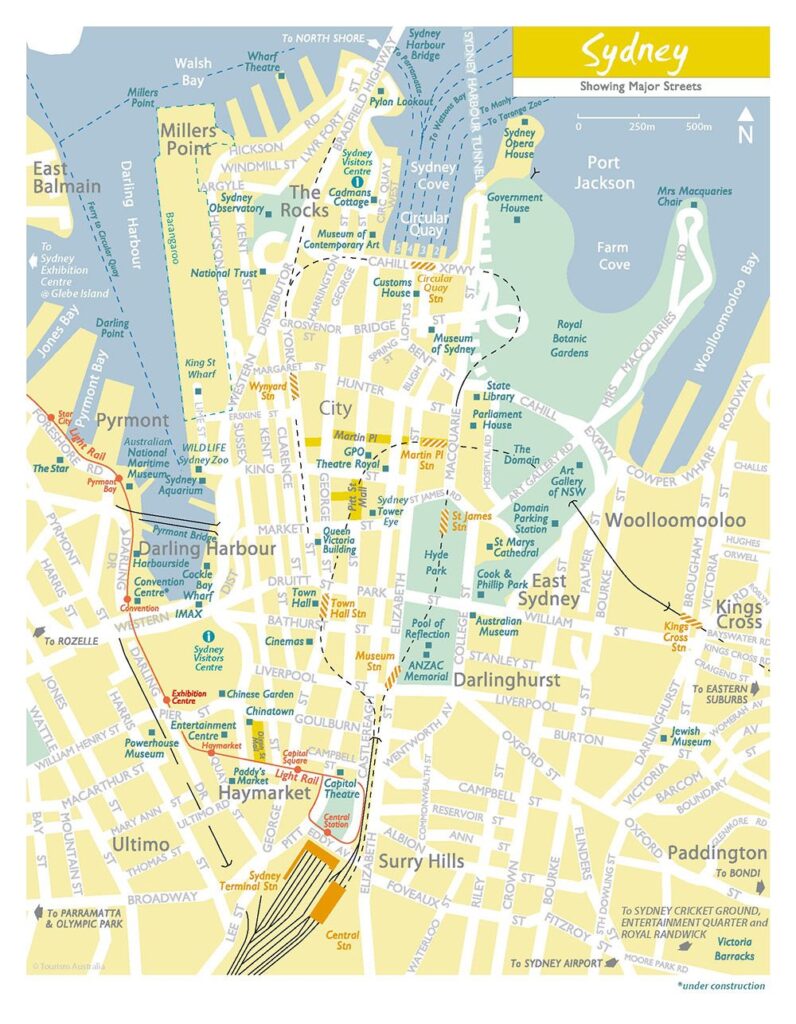
Map of Sydney

Sydney_street_map_2014_New
Start your journey to Australia

Whether you want to visit Australia, study, work or move permanently, the Australian Migration Office (AMO) can help you understand the immigration options available.

Our registered Australian migration agent provides professional advice, application preparation and support throughout the immigration process.

Contact us to explore the options for making your plans in Australia a reality.

Book a free
professional consultation

Leave your contact details and tell us about your enquiry,
and we will call you as soon as possible.